Editor’s note: This story has been updated to clarify funding plans for building development.
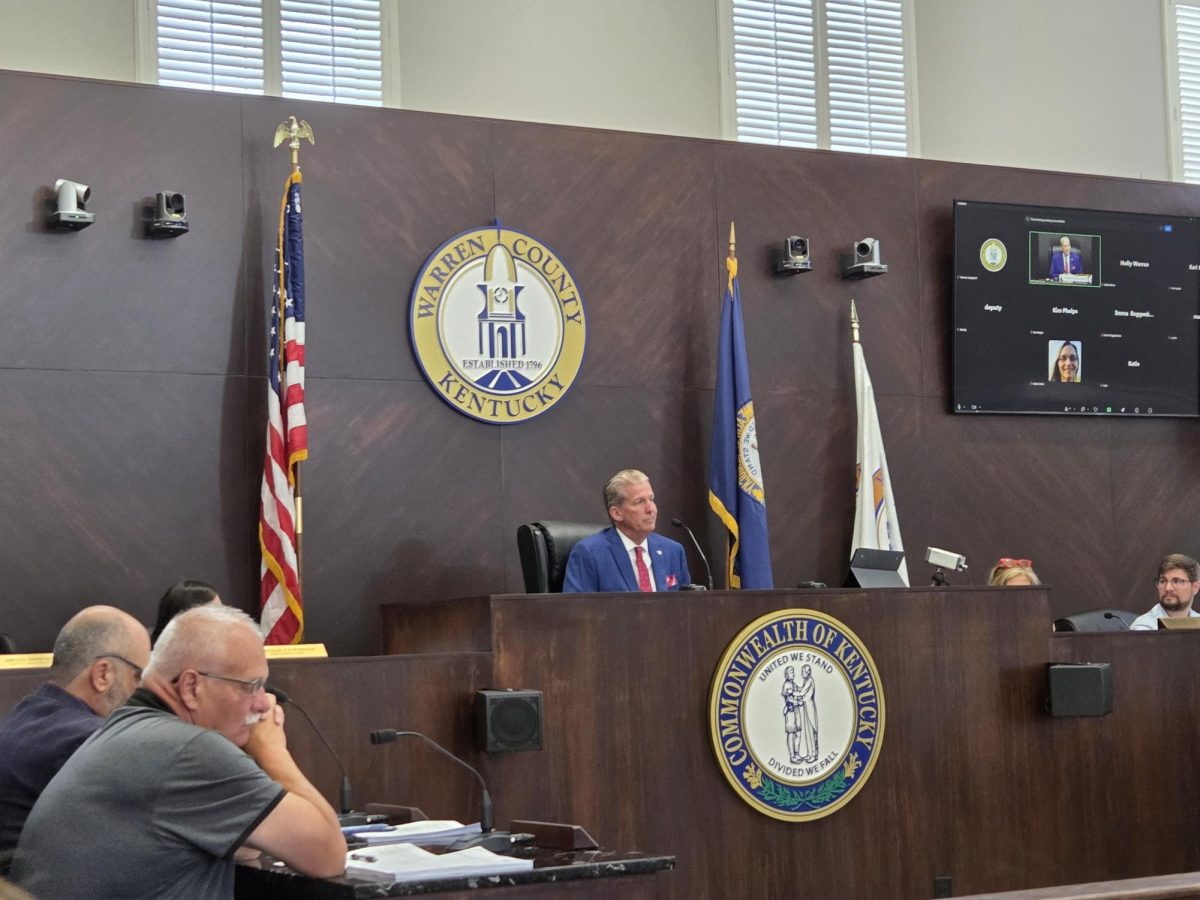
WKU President Timothy Caboni met with the Faculty Senate Thursday to discuss questions and concerns with WKU’s faculty.
The Senate sent questions in for Caboni prior to the meeting, which he sat down and answered.
Budget
Caboni spoke about the budget and its impact on faculty.
The Board of Regents passed a “balanced” budget for the first time in 20 years. The university views this budget as a “north star” in the face of “tremendous pressure,” which Caboni said comes from an increased cost on every expenditure category.
“What you feel in your personal lives, the institution feels as well,” Caboni said.
The performance funding that WKU receives from the Kentucky State Legislature is non-recurring funding and therefore cannot be used for salary increases. There is currently a 2% cap on salary increases, and it has been that way since Caboni started as president in 2017.

Academic Excellence
Caboni said conversations have started on what the next “focus campaign” will be following the $100 million raised for the opportunity fund, a fundraising campaign for scholarship funds. In his mind, it will be centered around academic excellence and the pursuit of becoming an R2 institution.
“Scholarships resonate beautifully with our alumni population because many of them would not have been successful here without those scholarships,” Caboni said. “But we’re having great success with the pursuit of R2 and helping our faculty understand where we want to go as an institution.”
Caboni said the only way to reach the goal is by supporting WKU faculty.
Caboni wants the University’s Ph.D. programs to be interdisciplinary. Data sciences will be the first Ph.D. program at WKU, because of its implications in various disciplines such as education, health care and business, Caboni said.
“It’s all about our credibility and the perception of quality we’re going to be delivering,” Caboni said.
WKU will be looking into Disaster Sciences and Neuroscience as future PHD programs as well, Caboni said.
Building Development
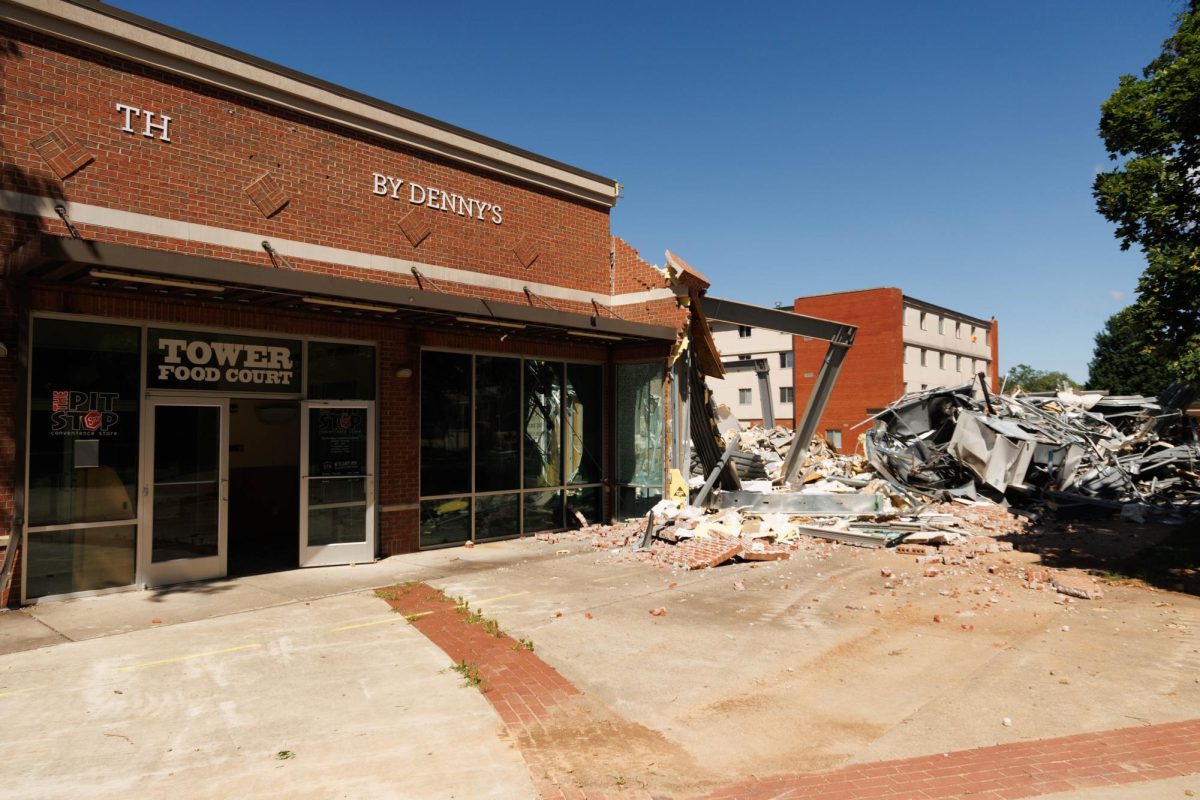
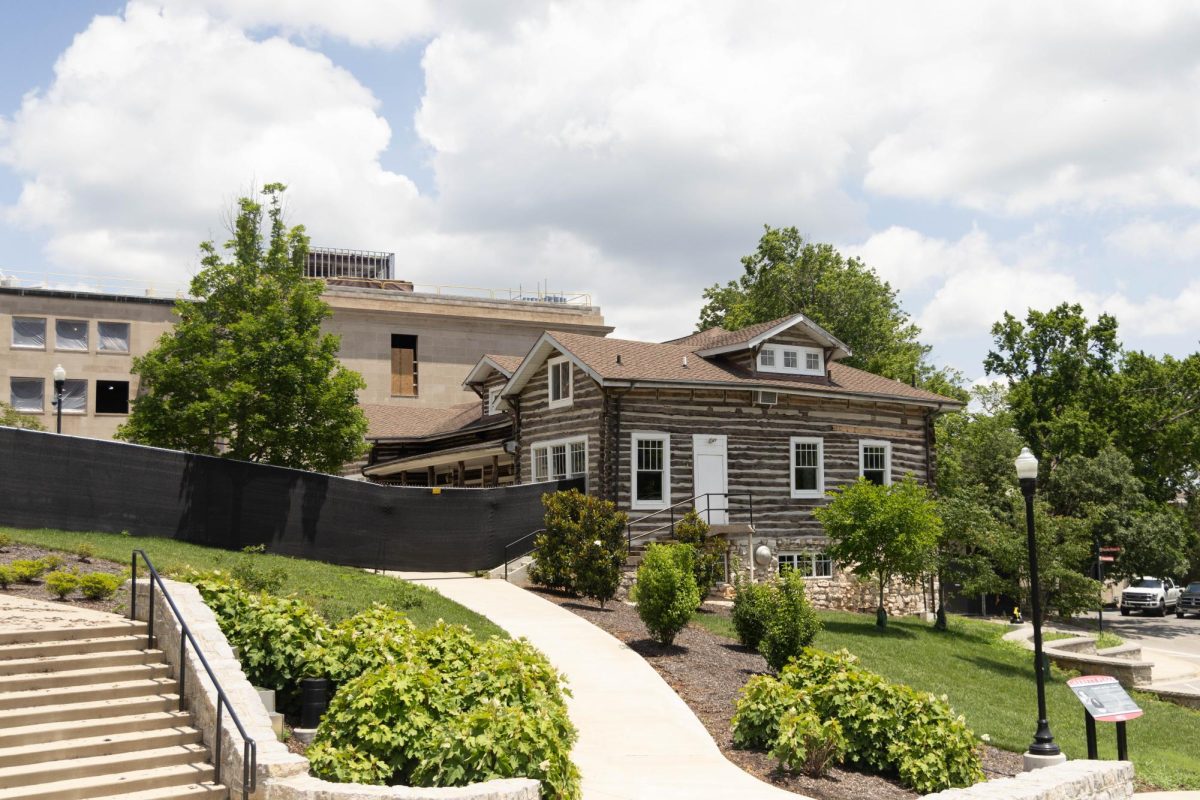
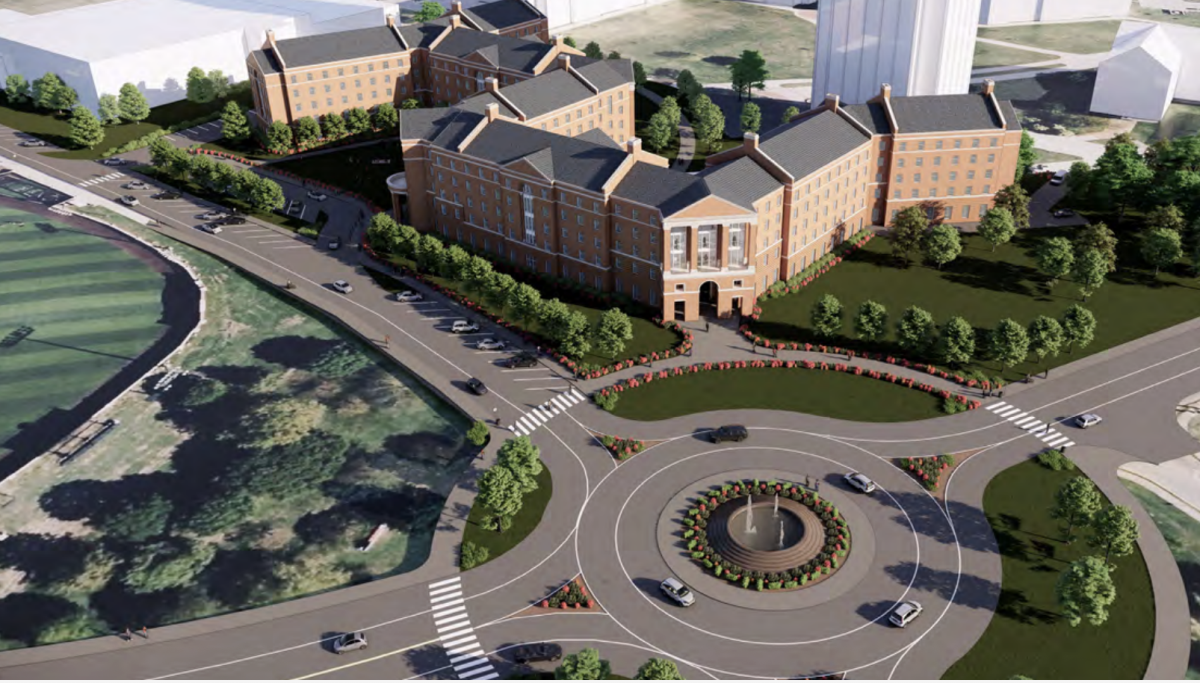
WKU also plans to prioritize additional state funding, alongside private support, for building development. This has been seen already on campus through Chandler Hall, the new Gordon Ford College of Business building that opened to students this semester, and the Cherry Hall renovation project.
“We had been focusing on the programs, and we had not been really building buildings out of our institutional funds,” Caboni said.
WKU received $135 million in asset preservation from the Kentucky Legislature. Part of this will go to the Cherry Hall renovations, but also to fix things “we never see,” Caboni said
Caboni recalled a time when an X (formerly Twitter) account was made for a steaming manhole cover, which was the result of the university not having enough funds to fix it. He doesn’t want small issues to prevail in buildings and on campus.
“Folks, our facilities, are really challenged,” Caboni said. “And anytime the state can get us money for that, we’re gonna take it.”

AI
Caboni pushed for an embrace of AI in the wake of its popularity. He is aware of students using AI to write essays and the disruptions it can cause, but wants faculty to look at it as a tool.
“We have to work together on this as a community, and not bury our heads in the sand,” he said.
Caboni proposed ways of integrating it into coursework, such as comparing students’ answers to AI answers. He wants faculty to look at the professional implications as well, as AI has impacted the current workforce with entry-level hiring, Caboni said.
House Bill 4
Faculty Regent Shane Spiller spoke on House Bill 4 and potential concerns relating to “retaliation and attacks.” He encouraged faculty to read the Institutional Neutrality Policy that the Board of Regents adopted as a part of HB 4.
“This policy affirms WKU’s commitment to viewpoint neutrality in the administration of institutional resources and programs, while actively encouraging a robust diversity of perspectives across the campus community,” the Institutional Neutrality Policy states. “It also codifies the University’s position of institutional neutrality regarding matters that are not related to higher education or the University directly.”
The policy states that it applies to all university departments, programs, student organizations and administrative offices in their host roles, sponsors or facilitators of free speech, events and expressive activities.
This brought about questions of social media use by faculty members and concern over how faculty can express their viewpoints online. A case at Clemson University played into this conversation, as two faculty members were fired for posts relating to Charlie Kirk’s assassination.
When Spiller was asked about expressing concerns on social media, he said to be careful with his personal social media account, straying away from political posts.
Provost Robert “Bud” Fischer pushed back with an argument for freedom of speech while acknowledging the complexity of how faculty should handle their political viewpoints outside of WKU’s institution.
“Higher education doesn’t exist if there isn’t freedom of speech or academic freedom,” said Fischer. “If you give those up, you’ve given up on higher education.”